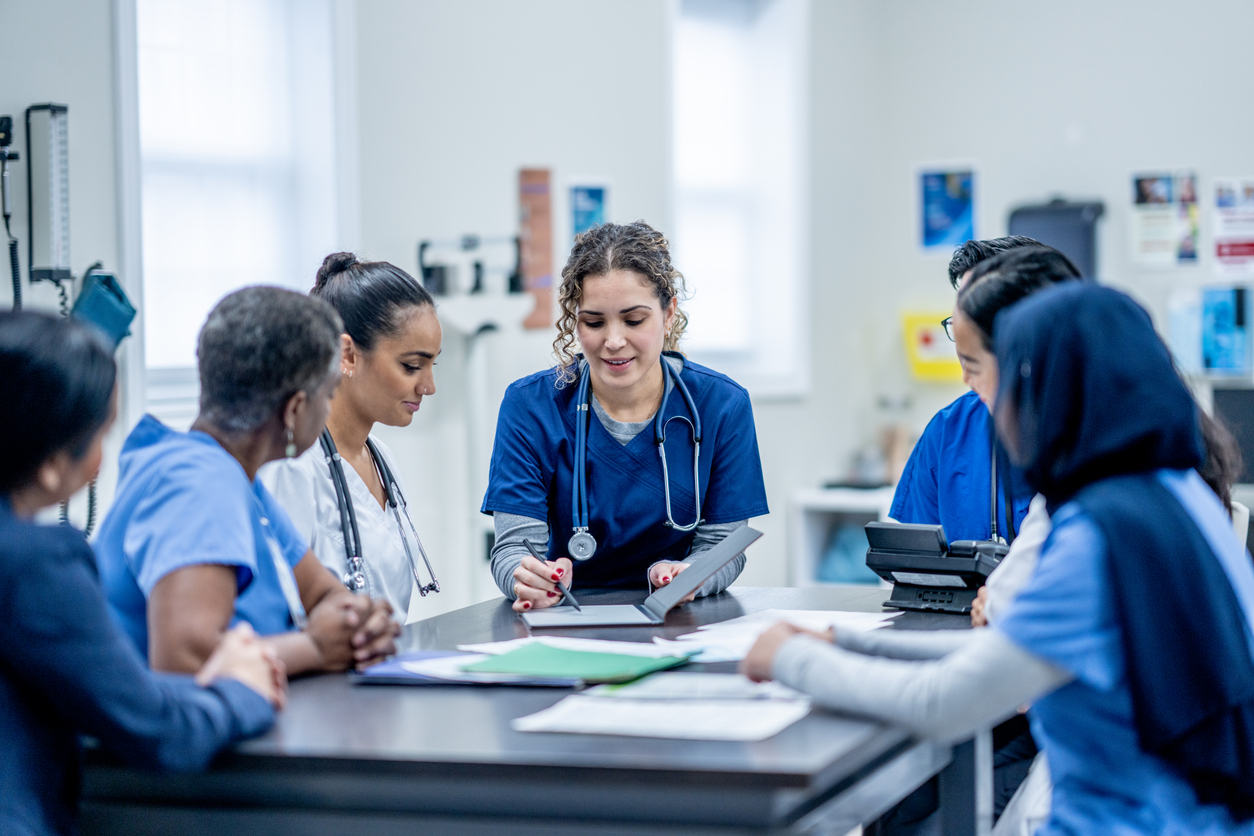
What Is Soft Nursing? Careers for MSN Graduates
Written by:
University of Tulsa
• Dec 8, 2025

What if the future of nursing is not only at the bedside but also in behind-the-scenes roles that shape patient outcomes in powerful ways?
While most people picture nurses in scrubs administering medication or assisting in surgery, another essential side of the profession is gaining traction: soft nursing. This area of nursing focuses on administration and navigating the complexities of the health care system. Soft nursing roles are less about hands-on procedures and more about guiding patients, improving care quality, and ensuring smooth transitions through the health care journey.
Consider what soft nursing truly means, why it’s critical to modern health care, and how a Master of Science in Nursing (MSN) can prepare graduates to thrive in these meaningful, mission-driven roles.
Soft Nursing Defined
“Soft nursing” refers to a growing segment of the nursing profession that focuses less on direct clinical procedures and more on the coordination, support, and strategic planning that help patients move effectively through the health care system. Rather than administering medications or assisting in surgeries, these nurses use their advanced training to educate patients, reduce barriers to care, and improve communication between departments or providers.
These roles demand a strong mix of emotional intelligence, communication, leadership, and administrative skills. Soft nurses often serve as the bridge between the patient and the larger medical system - helping reduce hospital readmissions, smoothing transitions between care settings, and improving overall patient satisfaction.
Soft nursing can be an ideal path for MSN-prepared professionals who want to apply their clinical knowledge in a consultative, flexible, and strategic capacity. It’s a powerful career direction for those looking to lead, advocate, and improve outcomes behind the scenes.
Why Pursue a Career in Soft Nursing?
The demand for soft nursing professionals is growing rapidly as the health care system shifts toward value-based care models. In these models, success is measured not only by the number of procedures performed but also by patient outcomes, education, and quality of life - areas in which soft nurses play a key role.
In addition to offering meaningful, patient-focused work, many soft nursing careers provide improved work-life balance. Whether through predictable hours, hybrid or remote opportunities, or less physically demanding responsibilities, these roles offer appealing alternatives to traditional bedside nursing.
What’s more, soft nursing is in demand in a range of nurse work environments - hospitals, insurance providers, community health organizations, and government agencies - giving MSN graduates the flexibility to find a mission and an environment that match their personal and professional goals.
Careers in Soft Nursing for MSN Graduates
When considering the benefits of an MSN for RNs, an advanced degree can open the door to roles for graduates who want to guide patients, improve care systems, and impact outcomes in less hands-on - but no less essential - ways. Also, soft nursing can lead to a range of meaningful careers that offer more autonomy in nursing. Below are several rewarding careers that blend clinical expertise with communication, coordination, and compassion.
1. Director of Nursing
Directors of nursing manage the administration of an entire nursing department. They are top ranking nursing professionals who affect all levels of nursing care at their facility.
Key responsibilities:
-
Overseeing budgets and long term care delivery strategies
-
Liaising between departments, as well as external stakeholders
-
Developing and implementing new policies, goals, and procedures
Key Skills:
-
Leadership
-
Administration
-
Education
-
Clinical expertise
Salary: The median annual salary for directors of nursing was approximately $102,220 as of April 2025, according to Payscale.
Job Outlook: High demand, especially as personalized care models grow.
2. Occupational Health Nurse
An occupational health nurse works to protect workplace safety. They identify and mitigate potential hazards and illnesses, and they also provide care for employees who have experienced workplace illness or injury.
Key responsibilities:
-
Managing injuries or illnesses that have affected employees
-
Identifying and preventing potential hazards through risk reduction
-
Providing screenings, rehabilitation, and education on preventative health
Key Skills:
-
Analytical thinking
-
Clinical decision-making
-
Knowledge of workplace safety and regulations
Salary: The median annual salary for occupational health nurses was approximately $81,940 as of February 2025, according to Payscale.
Job Outlook: Strong, due to increased demand for public health professionals.
3. Nurse Educator (Clinical Support Focus)
Not all nurse educators work in academic settings. Many operate within hospitals, clinics, or community health organizations, focusing on patient education and health literacy.
Key responsibilities:
-
Teaching patients about medications, treatment plans, or chronic disease management
-
Assisting with discharge planning
-
Creating educational materials and programs
Key Skills: Teaching ability, patience, communication, and clinical expertise.
Salary: The median annual salary for nurse educators was approximately $86,300 as of April 2025, according to Payscale.
Job Outlook: Strong, particularly as patient education becomes central to hospital accreditation and readmission reduction efforts.
Soft nursing careers allow MSN graduates to lead, educate, and support patients and health care systems in dynamic and flexible ways. Whether you’re passionate about health equity, system improvement, or patient advocacy, these roles offer a fulfilling path forward - with strong compensation, growing demand, and the opportunity to truly make a difference.
Take the Lead in Soft Nursing With the MSN Program at The University of Tulsa
The University of Tulsa’s online MSN program is thoughtfully designed for nurses who want to lead - not only at the bedside but also across health care systems. Whether your goal is to transition into education, coordination, or administration, the program equips you with the skills needed to thrive in soft nursing roles.
The curriculum emphasizes advanced care coordination, critical thinking, systems leadership, communication strategies, and evidence-based practice. Delivered in an accessible online format, the program allows working nurses to continue their careers while advancing their education. It’s a flexible, career-focused pathway for professionals who want to make a broader impact on health care outcomes.
Soft nursing may not always include scrubs and stethoscopes, but it plays a vital role in shaping the patient experience. If you’re ready to lead with compassion, self-awareness, clarity, and purpose, soft nursing offers a fulfilling career path.
Take your next step with TU’s online MSN program and redefine what it means to be a nurse in today’s evolving health care landscape.
Recommended Readings
How Much Do RNs Make in Oklahoma?
Lifelong Learning in Nursing: What It Is and How a BSN Can Help
Types of Nurses and Their Salaries
Sources:
ANA Nursing Resources Hub, “How to Become a Director of Nursing”
Indeed, “What Is an Occupational Health Nurse?”
Nursa, “Soft Nursing: What It Means, Types of Soft Nursing Jobs”
Payscale, Average Director of Nursing Salary
Payscale, Average Nurse Educator Salary