How to Become a Research Nurse
Written by:
University of Tulsa
• Mar 2, 2026
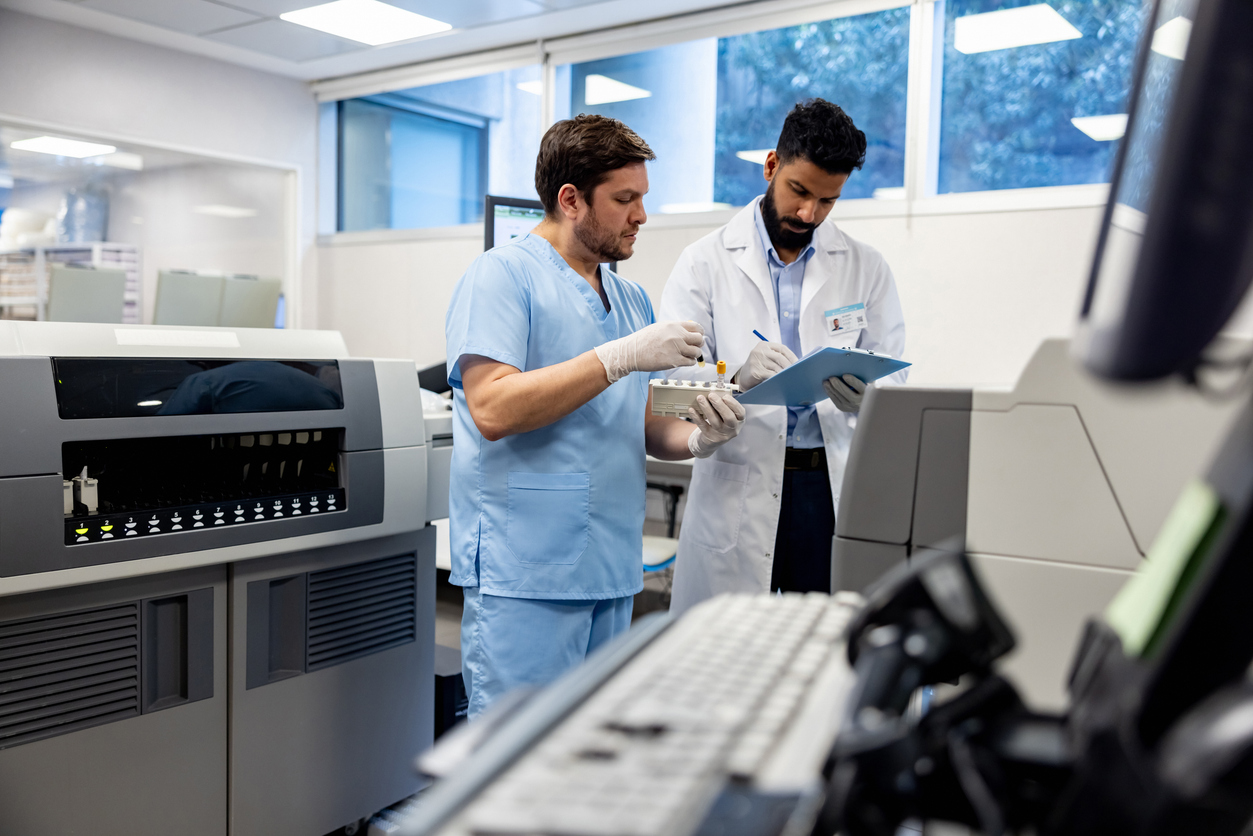
The impact of medical research continues to reshape health care delivery and outcomes. In 2024, the National Institutes of Health (NIH) highlighted a host of breakthroughs, including a highly accurate blood test for Alzheimer’s disease and major advances in improving food security and preventing chronic disease.
Medical research involves the efforts of many professionals serving in various roles. Research nurses, for example, play one of the most essential roles in medical research. They bridge hands-on clinical care and scientific inquiry — managing studies, ensuring patient safety, collecting data, and collaborating with physicians to turn discoveries into practice.
Combining their expertise in patient care with efforts to advance medical science, research nurses have the opportunity to make a lasting impact in health care. If you’re considering enrolling in an online nursing program and working in medical research, explore how to become a research nurse and what the role entails.
The Role of a Research Nurse
Research nurses ensure the health and safety of patients who participate in medical research projects, including clinical trials. They’re critical in balancing the protection of patients’ health and privacy with the goals of medical research. They also serve a key role as a liaison between patients, patients’ families, and research teams.
Their role blends clinical expertise with scientific rigor. In practice, research nurses help design study protocols, recruit participants, coordinate informed consent, and ensure compliance with regulatory and ethical guidelines. They help maintain the integrity of clinical trials and ensure that studies are conducted safely, efficiently, and in alignment with scientific goals.
Research nurses work in settings such as acute care facilities, clinics, and medical research units. They can also work for organizations such as biotechnology or pharmaceutical companies or regulatory agencies.
Responsibilities of Research Nurses
The day-to-day responsibilities of research nurses can vary depending on the type of study, patient population, and research setting, but often include:
-
Administering investigational treatments and observing patient responses
-
Collecting, documenting, and managing data from lab tests, imaging, and patient assessments
-
Communicating with patients and families — clarifying expectations, risks, and goals for participation
-
Documenting outcomes and adverse events in accordance with research protocols
-
Interviewing and screening participants before enrolling them in a study
-
Monitoring patients closely to track their progress and ensure their safety throughout the trial
-
Ensuring adherence to study protocols, including medication schedules, follow-up appointments, and lifestyle requirements
-
Acting as a liaison between patients, physicians, investigators, and regulatory bodies
Because research nurses balance both scientific and clinical responsibilities, they serve as a bridge between the research team and participants — translating complex medical studies into compassionate, patient-centered care. Their contributions are critical to advancing medical knowledge and improving the future of health care.
Contributions of Research Nurses
Research nurses have received significant recognition for their important contributions to developing treatments and vaccines for various diseases, and they have been instrumental in medical research since the early 1900s. Research nurses have made notable contributions leading to advancements in various areas of health care, such as:
-
Allergies
-
Anesthesia
-
Behavioral health
-
Cardiology
-
Critical care
-
Diabetes
-
Infectious disease
-
Neuroscience
-
Oncology
-
Pediatrics
Examples of research nurses’ contributions include their participation in studies that:
-
Evaluate HIV risk screening and testing tools for vulnerable children
-
Analyze the use of chemotherapy to treat cancer
-
Explore the use of drugs to reduce bone fractures in people who have Parkinson’s disease
How to Become a Research Nurse: Key Steps in the Process
Although there isn’t a one-size-fits-all approach to becoming a research nurse, those interested in this field can take certain steps to prepare for the role.
Earn a Bachelor of Science in Nursing
Becoming a research nurse typically entails earning a Bachelor of Science in Nursing (BSN) degree. Earning a BSN allows individuals to acquire fundamental nursing expertise, as well as hone their skills in areas such as clinical decision-making, leadership, and teamwork across disciplines.
Become Licensed as a Registered Nurse
Research nurses also need to hold a registered nurse (RN) license, which they can obtain by passing the National Council Licensure Examination for Registered Nurses (NCLEX-RN). After passing the exam, individuals can apply to their state board of nursing to obtain licensure as an RN.
Gain Nursing Experience
RNs typically gain several years of nursing experience before becoming research nurses. This experience allows them to develop and hone essential skills, including those related to direct patient care, as well as explore which field of research interests them the most.
Consider Earning an Advanced Degree and Certification
Some research nurse positions require nurses to hold an advanced degree, such as a Master of Science in Nursing (MSN) or a Doctor of Nursing Practice (DNP).
Earning certifications can also boost a research nurse’s credentials:
-
The Association of Clinical Research Professionals (ACRP) offers certifications such as Certified Clinical Research Associate (CCRA) and Certified Clinical Research Coordinator (CCRC).
-
The Clinical Research Nurse Certification Council (CRNCC) offers Certified Clinical Research Nurse – Board Certified (CRN‑BC) certification.
Advancement Opportunities
Research nursing also offers strong opportunities for professional growth. One common advancement pathway is becoming a clinical research coordinator, which involves greater responsibility for overseeing the day-to-day operations of clinical studies. Clinical research coordinators assist in designing study workflows, managing budgets, ensuring regulatory compliance, coordinating with investigators, and supervising research staff.
Research nurses can also move into positions such as clinical research manager, clinical research associate, or director of clinical trials. These leadership roles often involve monitoring multiple study sites, mentoring staff, collaborating with pharmaceutical partners, and shaping the direction of clinical research programs.
Research Nurses Help Shape the Future of Health Care and Their Own Profession
Recent studies reinforce the meaningful impact of nursing-driven research. A 2023 article in the journal Healthcare (MDPI) highlighted that nurse-led research continues to standardize clinical practices, enhance patient safety, and advance evidence-based care across diverse settings. These improvements ultimately contribute to higher-quality care and more efficient use of resources.
Similarly, a 2024 article in the International Journal of Nursing Studies found that research in nursing science has supported the creation of interventions that:
-
Enhance comfort and symptom management for patients with critical illnesses
-
Strengthen emotional support and communication practices
-
Improve long-term quality of life after serious illness or injury
Through research, nurses help uncover better ways to treat, comfort, and advocate for patients, allowing them to contribute not only at the bedside but also to the broader evolution of health care.
Advancing Health Care Through Research
Research nurses have the opportunity to work on the cutting edge of medical innovation. In the pursuit of advancing health care, research nurses conduct meaningful work that can lead to significant improvements in people’s lives.
If you’re interested in working in this field, explore The University of Tulsa’s online Accelerated BSN program to learn how it can help you achieve your professional ambitions. You can hone your skills in areas such as health care research, and the program can help you work toward a career in medical research.
Explore the ABSN program and start your journey to a fulfilling nursing career today.
Recommended Readings
LVN vs. RN: Reasons to Get Your Registered Nurse License
Why Choose an Accelerated Nursing Program?
How to Become an RN in Oklahoma With an ABSN
Sources:
American Nurses Association, How to Become a Research Nurse
Indeed, What Does a Research Nurse Do? (Plus How to Become One)
National Institutes of Health, 2024 NIH Research Highlights — Human Health Advances