Your Guide to Nursing Bootcamps
Written by:
University of Tulsa
• Nov 26, 2025

Nursing bootcamps are short, intensive workshops that help nurses brush up on important skills and learn new ones. Bootcamps may last between five days and two weeks and provide nurses with experience, improved skills, and more confidence in their work.
To learn more, check out the infographic created by The University of Tulsa’s Accelerated Bachelor of Science in Nursing (ABSN) program.
What Is a Nursing Bootcamp?
Nursing boot camps are training programs designed to increase your nursing knowledge and skills quickly. They’re more intensive than regular study, and they may focus on a specific goal, such as nursing certifications or exams. Whether you’re in a degree program or looking to brush up on your skills, a nursing boot camp can help you achieve your goals.
Types of Nursing Bootcamps
Different types of nursing bootcamps have specific goals.
Certification Bootcamps
Certification bootcamps are fast-paced, outcome-focused programs that prepare you for specific roles, such as Certified Nurse Assistant (CNA) or Licensed Practical Nurse (LPN). Focus on skills and tasks relevant to their specific certification. Certifications include:
-
CNA: Bathing, dressing, patient documentation.
-
LPN: Medication administration, wound care, checking vital signs.
Skills Bootcamps
Skills bootcamps are specialized programs relevant to accelerated nursing programs or students entering clinical practice. They may be required by accelerated nursing programs, such as an Accelerated Bachelor of Science in Nursing (ABSN) program.
Skills bootcamps can help you hone skills in specific areas, such as clinical care, intensive care, or psychiatric care. They emphasize simulation, clinical scenarios, and decision making, and are often offered in-person.
Licensure Bootcamps
Licensure bootcamps are focused programs that prepare you for the NCLEX exam, which is required to become a Registered Nurse (RN) or an LPN.
They provide practice questions, mock exams, and test-taking skills and strategies and are offered in online, in-person, and hybrid formats.
Benefits of Nursing Bootcamp
By completing a nursing bootcamp along with coursework or continuing education (CE) hours, you can sharpen your clinical competencies and stay up to date on the latest practices and technology.
Access to Resources
Participating in a bootcamp gives you access to resources you may not have otherwise. Bootcamps often set up clinical stations that contain professional equipment. You can use clinical equipment before placement in professional settings. Instructors are also available to answer questions and guide you in situations that don’t involve real medical emergencies.
Clinical Practice
Nursing bootcamps allow you to practice basic skills, engage in simulated situations, train with other nurses, and become familiar with medical equipment and situations. They also help you develop communication skills and learn from experienced nurses and instructors. You can build technical skills, such as wound care, IV administration, and the use of personal protective equipment (PPE). Students also learn about patient admissions and communication, sterile techniques, tube insertion, catheter placement, and handling of complex conversations around death and dying.
Opportunities to Connect
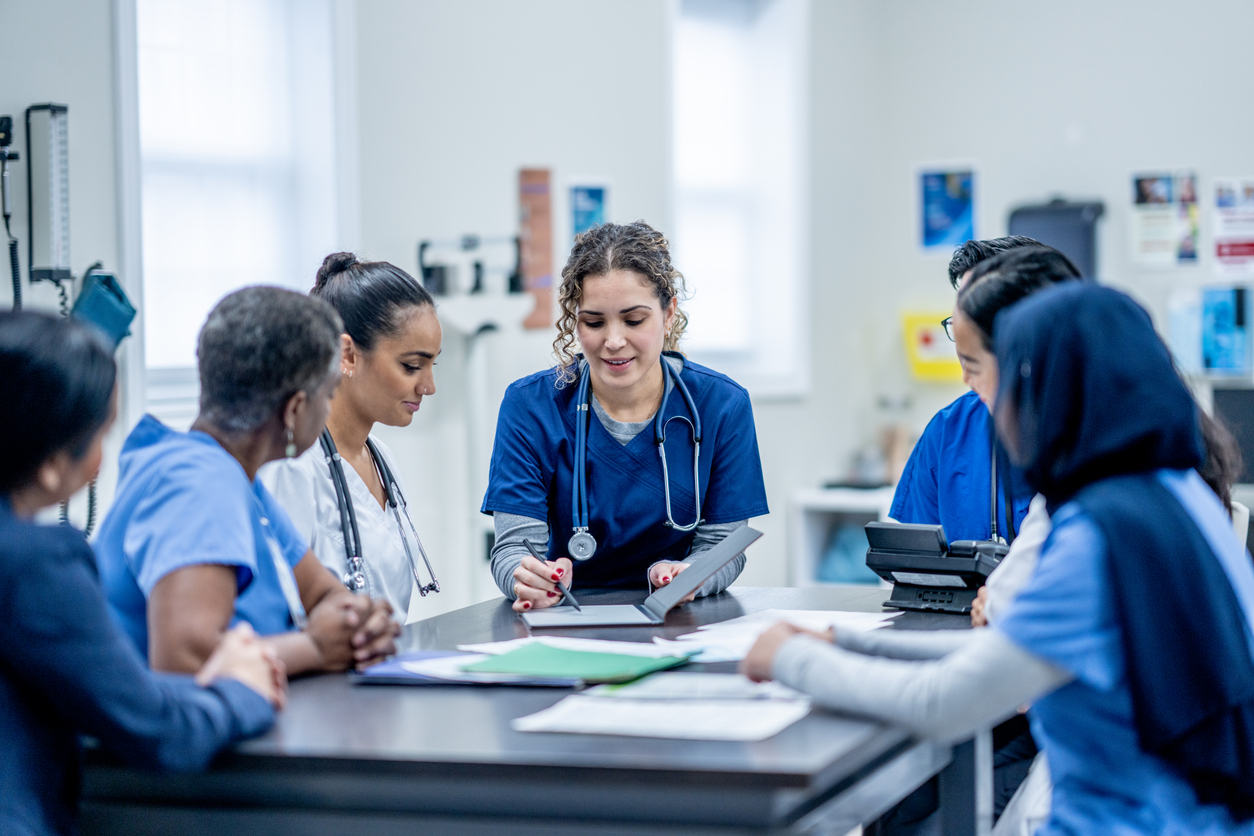
The professionals and instructors mentor the participants in small groups, allowing them to build connections and focus on each student. Participants also work together and network with like-minded professionals. Bootcamps can connect participants with clinical rotations in professional organizations. Nurses learn to connect their studies and their clinical practice.
Bootcamp Requirements
Some nursing bootcamps have specific requirements that students must meet before or during the program. These vary based on the type of bootcamp and the provider, so make sure you check your bootcamp’s requirements before starting the program.
Getting Ready for Bootcamp
Some programs require virtual lessons before the bootcamp. These videos and quizzes prepare you for in-person clinical practice. Instructors and program runners prepare a curriculum for participants that highlights critical skills, clinical practices, and teamwork.
Students must also bring a smartphone, an Apple iPad, or a laptop to complete lessons. Students who complete the boot camp will be prepared for clinical ABSN courses and clinical placement.
Requirements
In-person bootcamps may require you to travel to the location of the bootcamp and stay there for the program duration. This could mean going to a university location.
You may also need to arrange accommodations near the bootcamp location. The program provider may provide recommendations for where to stay. You may be required to purchase and wear specific clothing for the program, which could include multiple sets of scrubs, casual clothing, and comfortable shoes. You may also be required to bring a smartphone, an Apple iPad, or a laptop to complete lessons.
Prepare for Nursing Bootcamps
Nursing bootcamps can help you build relevant skills, get you ready for the NCLEX, and prepare you for specific nursing roles. The University of Tulsa’s ABSN program requires an in-person, immersive nursing skills bootcamp for its online students, followed by clinical experiences in your local community. Find out more about Tulsa’s ABSN skills bootcamp and how an accelerated program can help you advance your nursing career.
Sources
The University of Tulsa, Frequently Asked Questions
IntelyCare, LPN vs. CNA: What’s the Difference?
Nurse Education Today, “The Influence of Intensive Clinical Skills ‘Bootcamps’ on Nursing Students’
Perceptions of Ability to Provide Acute Care: A Mixed Methods Study”
Medlife Mastery, NCLEX Bootcamp Reviews: Is This the Game-Changer for Your Nursing Exam?
Sim2Grow, “Sterile Gloving to Escape Rooms: Running a Successful Nursing Boot Camp”